Are you considering a used car purchase but feeling overwhelmed by the choices? In 2026, the landscape of used car buying is set to shift dramatically, and being unprepared could lead to costly regrets.
Navigating the world of used cars can be daunting, but this guide aims to equip you with the knowledge you need to make confident decisions. What is a used car buying guide? Simply put, it's a comprehensive resource that outlines the steps, considerations, and insights necessary for purchasing a pre-owned vehicle. It's designed to help you avoid pitfalls and maximize value, especially as the market evolves with more tech-savvy and eco-friendly options.Why Does This Matter? As we edge closer to 2026, trends indicate a growing demand for used cars due to rising new car prices and increased interest in sustainable choices. According to recent data, used car prices have surged by 14% over the past year [source citation]. This shift makes understanding how to navigate the used car market crucial for securing a good deal.
Who Needs to Know This? If you're a savvy buyer wanting to stretch your budget, a first-time car buyer, or someone looking for an eco-friendly option, this guide is tailored for you. For families, young professionals, and retirees alike, understanding the nuances of buying used can save time, money, and stress.Current Landscape: The used car market is increasingly competitive, with a variety of options ranging from certified pre-owned vehicles to older models with high mileage. Current trends show a rise in electric and hybrid used cars, appealing to eco-conscious buyers. The availability of online platforms and virtual showrooms also means more transparency and convenience in the buying process.
Practical Information: When buying a used car, follow these steps to ensure a successful purchase:1. Research and Set a Budget: Determine how much you're willing to spend, factoring in insurance, taxes, and potential repairs. Use online tools to compare prices. 2. Consider Your Needs: What will the car be used for? Daily commuting, family trips, or weekend adventures? This will help narrow down your choices.
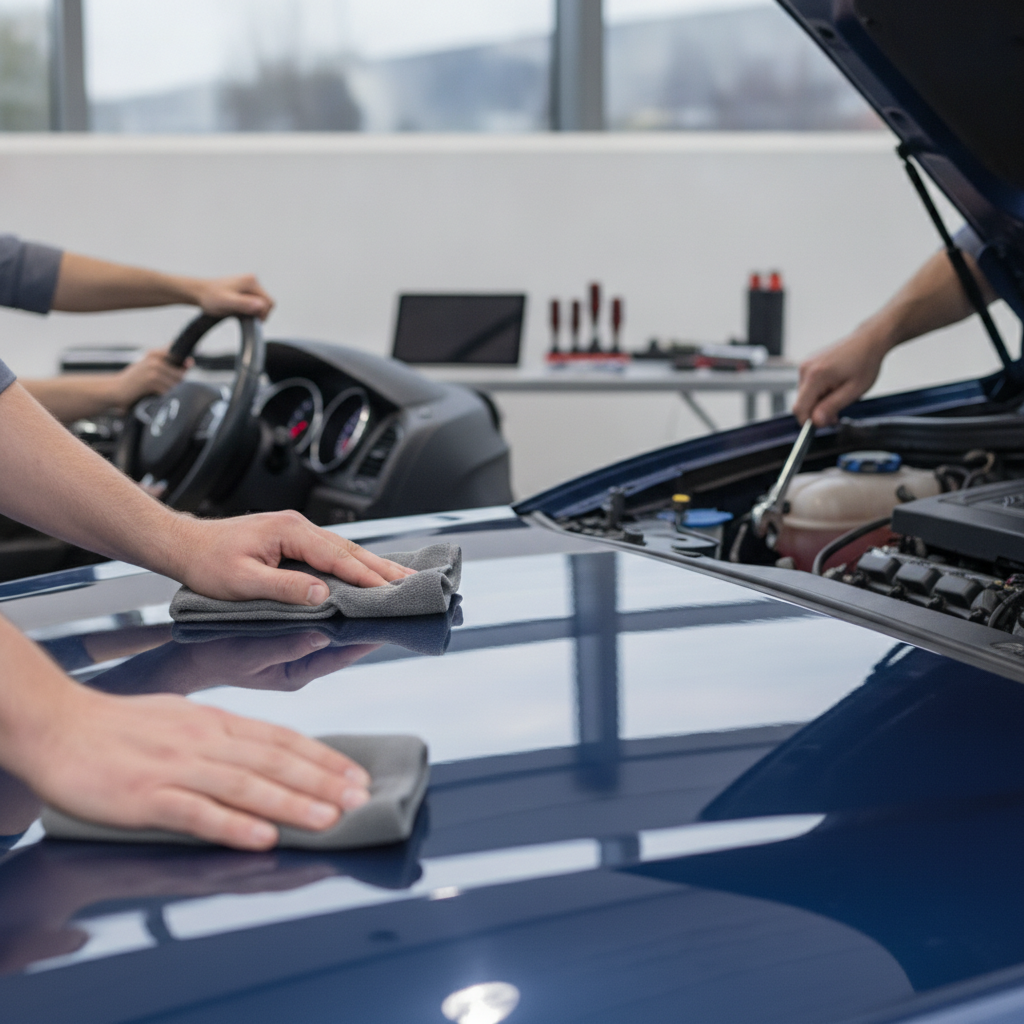
3. Check Vehicle History: Always request a vehicle history report to check for accidents, title issues, and previous ownership.4. Inspect and Test Drive: Inspect the car thoroughly or hire a professional mechanic. Test drive to assess comfort and performance.
5. Negotiate Wisely: Use your research to negotiate a fair price. Be prepared to walk away if the deal doesn’t meet your needs.Quality Indicators and Red Flags: - Low Mileage: Generally indicates less wear and tear. - Well-Maintained Service Records: Shows consistent maintenance history. - Unusual Noises or Vibrations: Can signal mechanical issues. - Mismatched Paint or Parts: May suggest previous accidents or repairs.
Quick Facts: - Certified Pre-Owned (CPO): Offers warranty and thorough inspection. - Depreciation: Used cars depreciate slower than new cars. - Fuel Efficiency Ratings: Essential for long-term cost savings. Examples of Popular Used Cars: 1. Toyota Camry: Reliable, efficient, and known for longevity. 2. Honda CR-V: Versatile SUV, great for families. 3. Ford F-150: Durable truck, good for towing and hauling. 4. Tesla Model 3: Popular for electric car enthusiasts. 5. Chevrolet Malibu: Affordable sedan with solid performance. 6. Jeep Wrangler: Ideal for off-roading adventures. 7. Subaru Outback: All-wheel drive, perfect for outdoor activities.Want to learn more? Discover options here. As you explore the used car market, remember to compare in your area to find the best deals. Get your free quote today to start your journey toward owning the perfect used car.
In conclusion, mastering the used car buying process is an essential skill in today’s market. With rising demand and evolving trends, being informed can lead to a smart and satisfying purchase. Take action, equip yourself with knowledge, and drive away with confidence. Get your free quote today and embark on a hassle-free car buying experience.