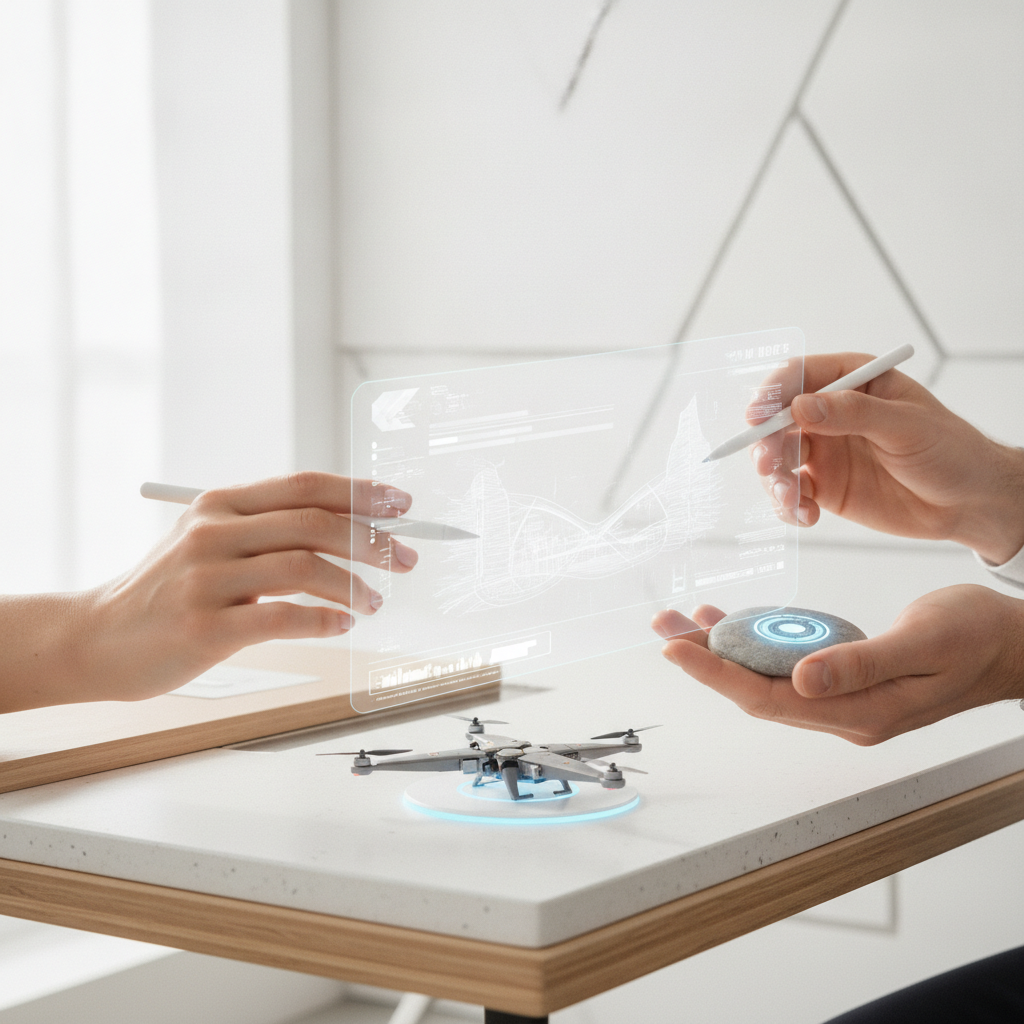
In a world where technology evolves at breakneck speed, the fear of being left behind is real. Imagine waking up in 2026 to find that the world has changed overnight, and you're still stuck in the past. Here's why you should care about future concepts and prototypes right now and how they could redefine your life.
---What is Future Concepts and Prototypes?
Future concepts and prototypes are essentially the blueprints of tomorrow. They represent innovative ideas and experimental models that push the boundaries of current technology and design. Think of them as the sketches and models that pave the way for groundbreaking products and solutions. From flying cars to self-sustaining smart homes, these concepts are not just fantasies—they are the building blocks of our future reality.Why Does This Matter?
The importance of future concepts and prototypes lies in their potential to solve real-world problems and enhance our quality of life. As we move towards 2026, these innovations could address pressing global challenges like climate change, urban overcrowding, and resource scarcity. For example, new energy-efficient transportation models could significantly reduce carbon emissions, making our cities cleaner and healthier.In 2026, future concepts and prototypes are likely to influence every aspect of our lives. According to a recent report, the global market for smart city solutions, fueled by these innovations, is projected to reach $820.7 billion by 2025 [source: MarketsandMarkets]. This trend underscores the growing impact of future concepts on urban development and sustainability.
Who Needs to Know This?Whether you're a tech enthusiast, an investor, or someone simply curious about what lies ahead, understanding future concepts and prototypes is crucial. Entrepreneurs and businesses need to stay ahead of the curve to remain competitive. Meanwhile, educators and students can benefit from exploring these concepts to prepare for future career opportunities.
Current LandscapeAs of 2025, several trends are shaping the landscape of future concepts and prototypes. The rise of artificial intelligence, for example, is leading to smarter, more intuitive products. Moreover, the integration of IoT (Internet of Things) is creating interconnected systems that can improve efficiency and convenience in everyday life.
- Smart Transportation: Autonomous vehicles and drone delivery systems are set to revolutionize logistics and commuting. - Sustainable Energy: Innovations in solar panels and wind turbines promise cleaner energy solutions. - Healthcare Tech: Wearable devices and telemedicine are enhancing patient care and accessibility. - Virtual Reality: VR is transforming entertainment, education, and even professional training.Practical Information
If you're looking to dive into future concepts and prototypes, here's what you need to know:1. Research and Development: Stay informed about industry trends and emerging technologies through reputable sources. 2. Investment: Consider investing in startups or companies that focus on future concepts to be part of the innovation wave. 3. Adoption Timeline: While some prototypes are decades away from mainstream adoption, others are just around the corner. It's essential to know the expected timeline of these innovations. 4. Quality Indicators: Look for prototypes that solve real problems, have a clear use case, and show potential for scalability. 5. Insider Tips: Attend tech expos and conferences to get firsthand insights from experts.
Quick Facts- The global smart city market is expected to reach $820.7 billion by 2025. - AI-driven products are becoming more prevalent in everyday life. - IoT is a key component in developing interconnected systems for efficiency. - Sustainable energy solutions are a top priority in future concepts. - Virtual reality is expanding beyond entertainment into education and training.
Top Examples of Future Concepts and Prototypes1. Flying Cars: Models like the Terrafugia Transition offer personal air transport, reducing traffic congestion. 2. Self-Sustaining Homes: Eco-friendly designs like Earthships provide off-grid living solutions. 3. Drone Delivery Systems: Companies like Amazon Prime Air are exploring drone tech for faster deliveries. 4. Hyperloop Transportation: This high-speed train concept could revolutionize long-distance travel. 5. AI-Powered Assistants: Devices like Google Assistant are becoming more intuitive and personalized. 6. 3D Printed Buildings: Innovations in construction promise affordable, customizable housing solutions. 7. Wearable Health Tech: Devices like the Fitbit Sense offer real-time health monitoring and data analysis.
Want to learn more? Discover options here. Compare in your area. Get your free quote today.In conclusion, future concepts and prototypes hold the key to unlocking a more innovative, efficient, and sustainable world. By staying informed and proactive, you can position yourself to embrace these changes and thrive in a rapidly evolving landscape. Don't miss out on the potential of tomorrow—start exploring today and get your free quote to dive into the future!